

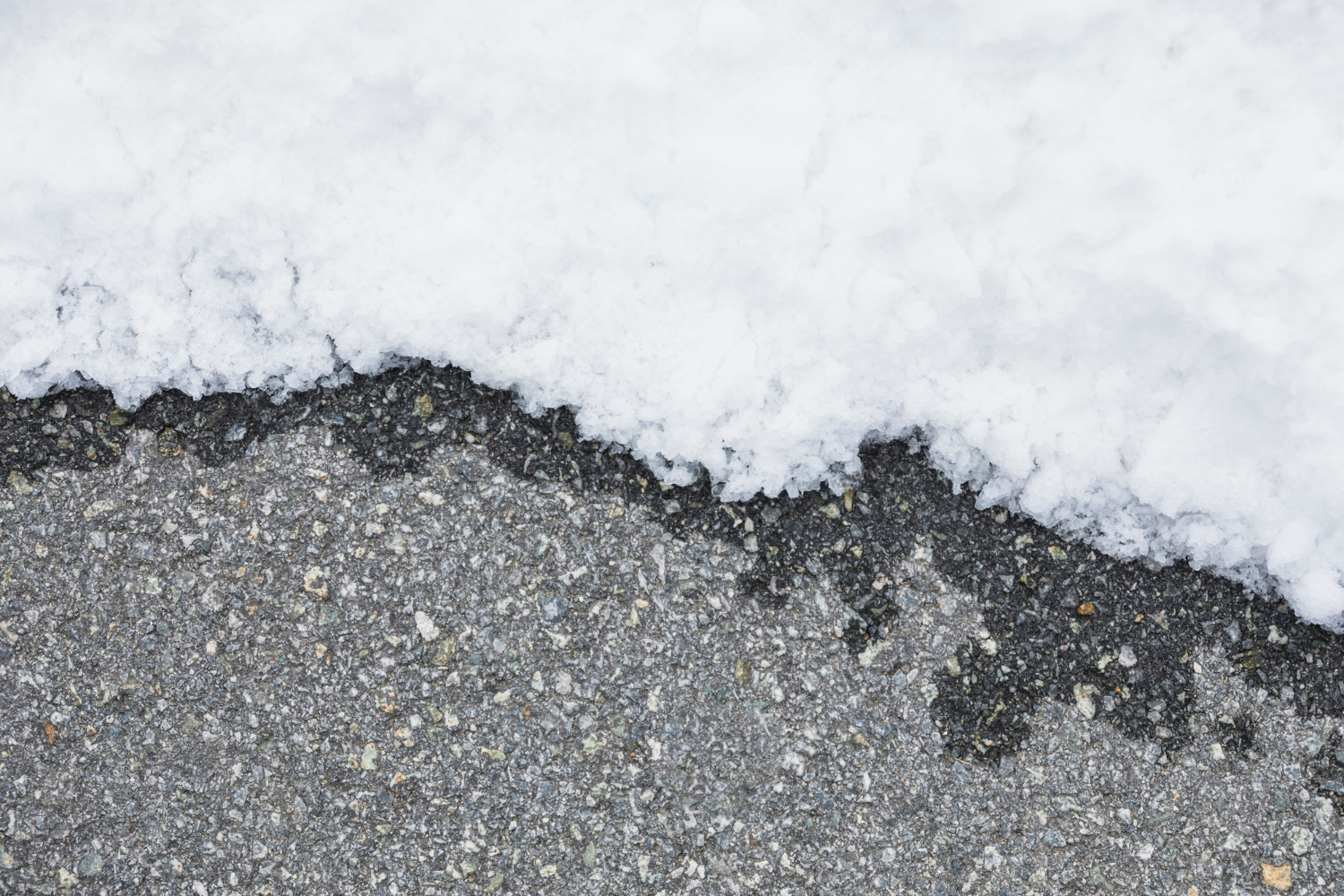
Why Winter Is Hard on Asphalt Pavement
Cold temperatures, moisture, and freeze–thaw cycles can take a serious toll on asphalt surfaces. When water seeps into small cracks and freezes, it expands, causing cracks to widen and potholes to form. Without proper winter asphalt care, minor issues can quickly turn into costly repairs once spring arrives.
Tip #1: Seal Cracks Before Temperatures Drop
Crack filling is one of the most effective ways to protect asphalt before winter weather sets in. Sealing cracks prevents water intrusion and reduces surface deterioration during freezing conditions. Learn more about professional crack filling solutions.
Tip #2: Keep Surfaces Clear of Snow and Ice
Allowing snow and ice to sit on asphalt increases moisture exposure and accelerates damage. Prompt snow removal and careful use of deicing products can help maintain surface integrity. Avoid harsh chemicals that may weaken asphalt binders over time.
Tip #3: Schedule Preventive Maintenance
Routine asphalt maintenance, including inspections and minor repairs, strengthens pavement before winter stress occurs. Preventive care extends the life of driveways and parking lots while reducing emergency repairs. Explore our Asphalt Maintenance services for long-term protection.
Tip #4: Watch for Early Warning Signs
Pooling water, small cracks, or surface fading can signal vulnerabilities. Addressing these issues early minimizes winter damage and preserves structural stability.
Protect Your Asphalt Investment This Winter
Proactive winter asphalt care saves money and prevents major deterioration. If your pavement needs professional attention, contact our team to schedule an inspection before winter arrives.