

Why asphalt damage spreads fast
Small asphalt cracks can let water seep below the surface. As temperatures change and vehicles pass over weakened spots, that moisture expands damage from the inside out. Acting early helps protect your driveway or parking lot and can reduce the need for larger asphalt repairs later.
Crack filling: best for early-stage wear
Crack filling targets narrow to moderate cracks before the base fails. A quality repair cleans the crack, removes debris, and seals it to block water intrusion. This is a smart choice for routine asphalt maintenance, especially after seasonal weather shifts. If you’re seeing thin lines, branching cracks, or small separations along edges, crack filling is often the right first step.
Pothole repair: best when the surface has failed
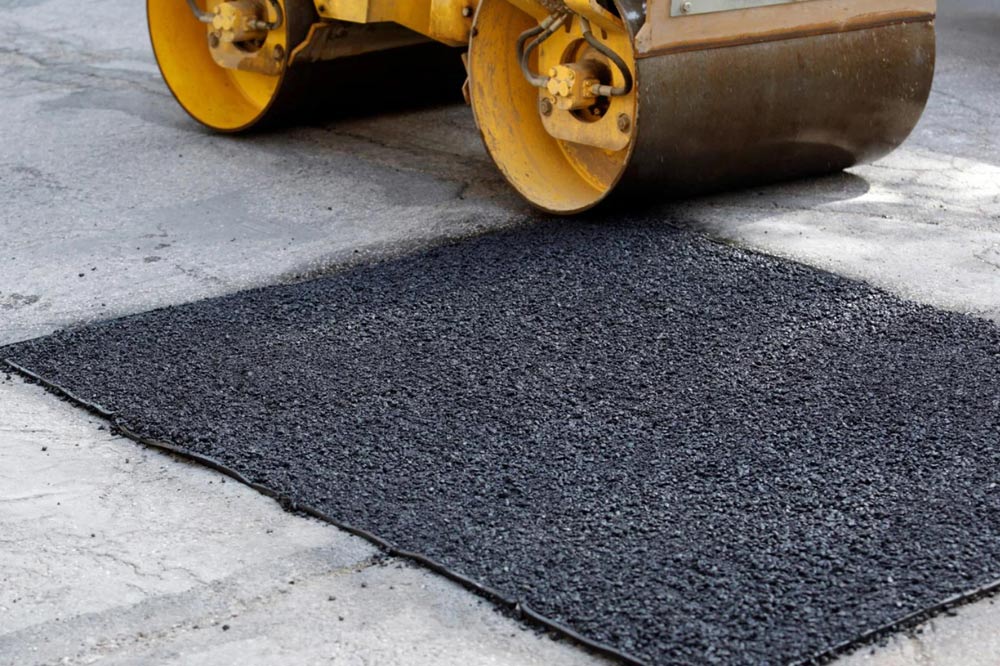
A pothole is a sign the asphalt has broken down and the area needs more than a seal. Pothole repair typically involves cutting out the damaged section, repairing the base if needed, and installing new asphalt for a smooth, compacted patch. If you notice a growing hole, loose gravel, pooling water, or a dip that “catches” tires, schedule a repair quickly.
When to call Rocky’s Paving
If cracks are multiplying, potholes are forming, or the surface feels uneven, it’s time for a professional assessment. Rocky’s Paving can recommend the right fix and, if needed, longer-term options like resurfacing. Contact us now.